Is Medical Office Tenant Representation Right for Royal Oak Practices

Unlock the potential of commercial real estate with ValCrest Properties. Their expert strategies help elevate property value through tailored solutions.
Signs Your Troy Commercial Property Needs Professional Management

Unlock the potential of commercial real estate with ValCrest Properties. Their expert strategies help elevate property value through tailored solutions.
Commercial Receivership: What Happens When a Property Fails

Unlock the potential of commercial real estate with ValCrest Properties. Their expert strategies help elevate property value through tailored solutions.
1031 Exchange Timelines: Deadlines That Derail Real Estate Deals

Unlock the potential of commercial real estate with ValCrest Properties. Their expert strategies help elevate property value through tailored solutions.
Real Estate Services in Michigan
How ValCrest Properties Can Increase the Value of Your Commercial Real Estate Investment
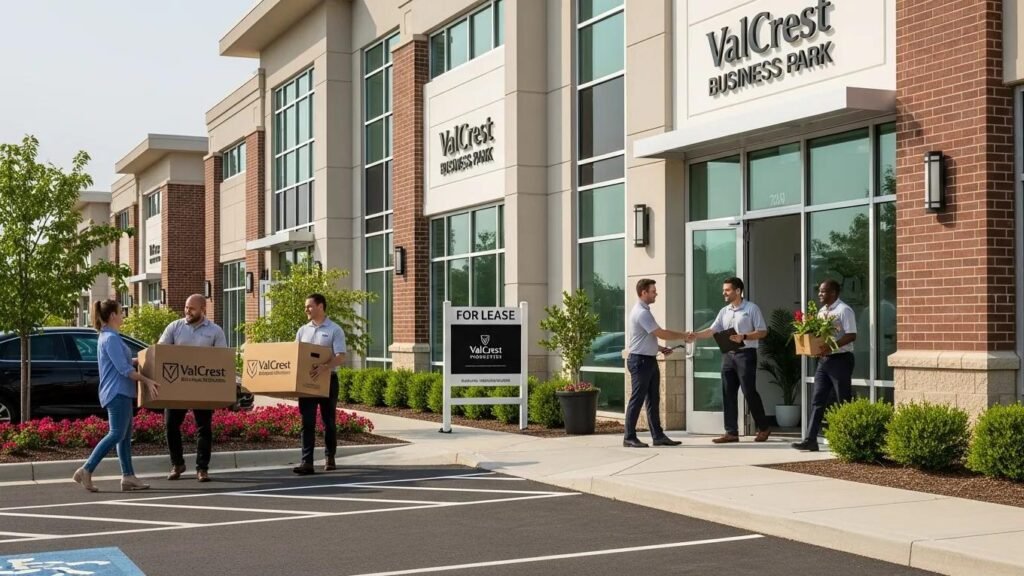
Unlock the potential of commercial real estate with ValCrest Properties. Their expert strategies help elevate property value through tailored solutions.
What to Look for in a Commercial Real Estate Firm in Metro Detroit

Choosing the right commercial real estate firm in Detroit is crucial. Learn expert tips to make an informed decision for your investment strategy and success.
How Professional Appraisals and Market Analysis Determine Property Value for Buyers and Sellers
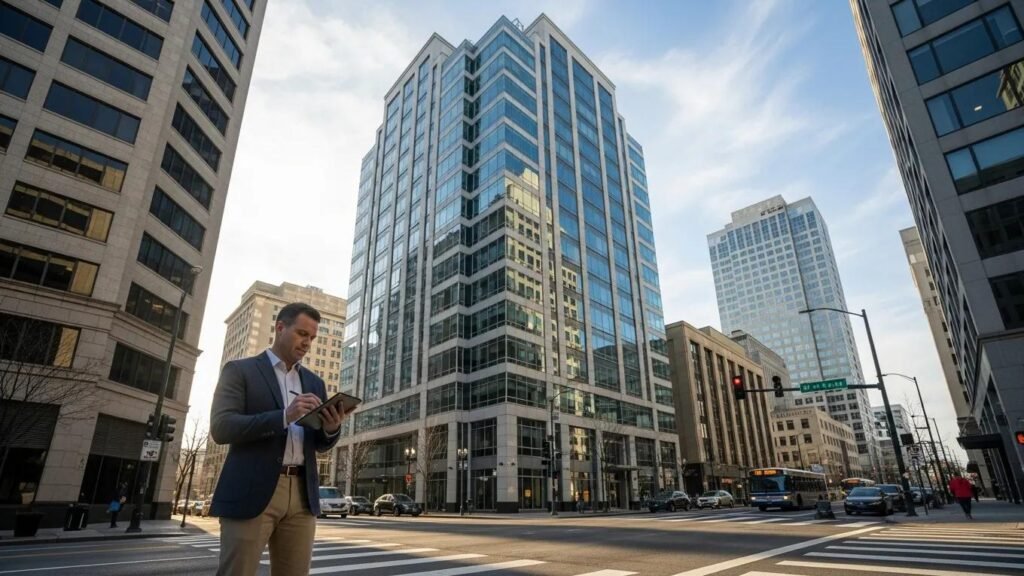
Unlock the keys to successful property valuation and real estate market analysis for buyers and sellers in Metro Detroit. Make informed decisions today!
Key Hurdles in Managing Commercial Properties

Master the challenges of commercial property management with strategic insights and expert tips. Equip yourself to navigate hurdles efficiently and confidently.
Key Services Offered by Full-Service Commercial Real Estate Firms Like ValCrest Properties

Unlock the potential of your property with ValCrest’s expert real estate services. Their strategic approach ensures success in your real estate endeavors.