The Role of Property Maintenance in Retaining High-Quality Commercial Tenants: Effective Commercial Tenant Retention Strategies
By Property Manager, ValCrest Properties
Property maintenance plays a crucial role in the commercial real estate sector, significantly influencing tenant satisfaction and retention. As property owners and managers strive to create appealing environments, understanding the dynamics of property maintenance becomes essential. This article delves into how effective maintenance strategies can enhance tenant experiences, ultimately leading to higher retention rates. Readers will learn about the key aspects of property maintenance, best practices for implementation, and the relationship between maintenance and tenant relations. Additionally, we will explore how facilities operations and construction coordination contribute to asset improvement, supported by market insights and case studies relevant to the Metro Detroit area.
How Does Property Maintenance Influence Tenant Satisfaction and Retention?

Property maintenance directly impacts tenant satisfaction by ensuring that the environment is safe, functional, and aesthetically pleasing. Regular maintenance activities, such as timely repairs and upkeep of common areas, foster a sense of care and attention from property managers. This proactive approach not only enhances the tenant experience but also reduces the likelihood of complaints and dissatisfaction, which can lead to higher retention rates. For instance, properties that prioritize maintenance often see lower vacancy rates, as tenants are more likely to renew their leases when they feel their needs are being met.
What Are the Key Tenant Needs Addressed by Property Maintenance?
Effective property maintenance addresses several key tenant needs, including:
- Safety and Comfort: Regular inspections and prompt repairs ensure that tenants feel secure in their environment.
- Timely Repairs: Quick responses to maintenance requests demonstrate a commitment to tenant satisfaction, fostering trust and loyalty.
- Communication with Tenants: Keeping tenants informed about maintenance schedules and updates enhances their overall experience and satisfaction.
By focusing on these areas, property managers can create a positive living or working environment that encourages tenants to stay longer.
How Does Maintenance Impact Tenant Retention Metrics in Metro Detroit?
In Metro Detroit, maintenance plays a pivotal role in tenant retention metrics. Properties that implement comprehensive maintenance programs often report higher retention rates compared to those that neglect this aspect. For example, a study indicated that properties with regular maintenance schedules experienced a decrease in tenant turnover. Additionally, timely maintenance can significantly reduce vacancy rates, as satisfied tenants are less likely to seek alternative accommodations. Understanding these metrics allows property managers to make informed decisions that enhance tenant retention.
What Are Best Practices for Commercial Property Maintenance in Troy Michigan?
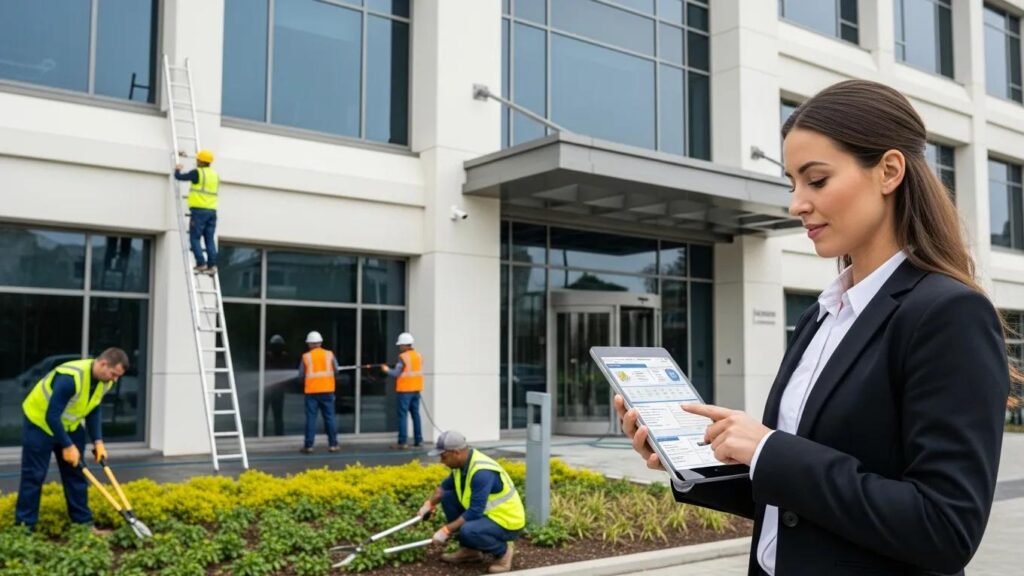
Implementing best practices for property maintenance is essential for ensuring tenant satisfaction and retention. In Troy, Michigan, property managers can adopt several strategies to enhance their maintenance efforts.
- Regular Maintenance Schedules: Establishing a routine maintenance schedule helps identify and address issues before they escalate, ensuring a well-maintained property.
- Vendor Management: Collaborating with reliable vendors for specialized maintenance tasks can improve service quality and efficiency.
- Tenant Communication Strategies: Keeping tenants informed about maintenance activities fosters transparency and trust, enhancing their overall experience.
How to Develop and Implement an Effective Maintenance Schedule?
Creating an effective maintenance schedule involves several key steps:
- Frequency of Inspections: Determine how often inspections should occur based on property type and tenant needs.
- Types of Maintenance Tasks: Identify essential maintenance tasks, such as HVAC servicing, plumbing checks, and landscaping.
- Documentation and Tracking: Maintain records of completed tasks and upcoming maintenance to ensure accountability and transparency.
By following these steps, property managers can create a structured approach to maintenance that benefits both tenants and property owners.
Which Facility Management Techniques Enhance Operational Efficiency?
To enhance operational efficiency, property managers can employ various facility management techniques:
- Use of Technology in Management: Implementing property management software can streamline maintenance requests and tracking.
- Training for Staff: Regular training ensures that maintenance staff are equipped with the latest skills and knowledge to perform their tasks effectively.
- Streamlining Processes: Reviewing and optimizing maintenance processes can lead to quicker response times and improved tenant satisfaction.
These techniques not only improve operational efficiency but also contribute to a better tenant experience.
How Do Lease Negotiation and Tenant Relations Complement Property Maintenance?
Lease negotiation and tenant relations are integral to the overall maintenance strategy. A well-structured lease agreement can outline maintenance responsibilities clearly, reducing misunderstandings and enhancing tenant satisfaction. Furthermore, fostering positive tenant relations through regular communication and feedback mechanisms can lead to a more collaborative environment.
What Role Does Lease Administration Play in Tenant Satisfaction?
Lease administration plays a critical role in maintaining tenant satisfaction by ensuring that lease terms are clear and adhered to. Regular reviews of lease agreements can help identify areas for improvement and ensure that both parties are aligned on expectations. This proactive approach can prevent disputes and enhance the overall tenant experience.
How Can Tenant Relations Improve Through Coordinated Maintenance Efforts?
Coordinated maintenance efforts can significantly improve tenant relations by fostering a sense of community and collaboration. Proactive communication about maintenance schedules and involving tenants in decision-making processes can enhance their overall satisfaction. For instance, soliciting tenant feedback on maintenance priorities can lead to a more engaged and satisfied tenant base.
How Does Facilities Operations and Construction Coordination Contribute to Asset Improvement?
Facilities operations and construction coordination are essential components of property maintenance that contribute to long-term asset improvement. By integrating these services, property managers can ensure that maintenance efforts align with overall property goals.
What Are the Benefits of Integrating Construction Oversight with Maintenance?
Integrating construction oversight with maintenance offers several benefits:
- Cost Savings: Coordinated efforts can reduce redundancy and lower overall maintenance costs.
- Improved Project Outcomes: Effective communication between maintenance and construction teams can lead to better project execution.
- Enhanced Tenant Satisfaction: A well-maintained property that undergoes timely upgrades can significantly improve tenant satisfaction.
These benefits highlight the importance of a holistic approach to property management.
How Do Facilities Operations Support Long-Term Investment Value?
Facilities operations play a crucial role in maintaining the long-term investment value of a property. Regular assessments and investments in upgrades can enhance property appeal and functionality. Additionally, implementing sustainability practices can attract environmentally conscious tenants, further increasing property value.
What Market Insights and Case Studies Demonstrate the Impact of Maintenance on Tenant Retention?
Recent market insights and case studies illustrate the significant impact of maintenance on tenant retention. Properties that prioritize maintenance not only retain tenants more effectively but also attract new ones.
Which Recent Metro Detroit Data Highlights Maintenance Benefits?
Recent data from Metro Detroit indicates that properties with robust maintenance programs experience lower vacancy rates and higher tenant satisfaction scores. For instance, a local study found that properties with regular maintenance schedules had a higher tenant retention rate compared to those without.
How Have ValCrest Properties’ Strategies Improved Tenant Retention?
ValCrest Properties has implemented several strategies to enhance tenant retention through effective maintenance. By focusing on proactive communication, timely repairs, and regular maintenance schedules, the company has successfully reduced tenant turnover and improved overall satisfaction. These strategies serve as a model for other property managers seeking to enhance their tenant retention efforts.
For more information about commercial management, contact ValCrest Properties today.
Additionally, tenant representation is another key service offered by ValCrest Properties, ensuring that tenants find the best possible spaces for their businesses.
Furthermore, multifamily property management is essential for maintaining high-quality living environments and tenant satisfaction.
For those interested in buying or selling commercial properties, ValCrest Properties’ brokerage services can provide expert guidance and support.
Frequently Asked Questions
What are the common challenges faced in property maintenance for commercial properties?
Common challenges in property maintenance for commercial properties include budget constraints, scheduling conflicts, and the need for specialized skills. Property managers often struggle to balance maintenance costs with the need for high-quality service. Additionally, coordinating maintenance schedules without disrupting tenant operations can be difficult. Ensuring that maintenance staff are adequately trained and equipped to handle various tasks is also a challenge. Addressing these issues proactively can help maintain tenant satisfaction and retention.
How can technology improve property maintenance management?
Technology can significantly enhance property maintenance management by streamlining processes and improving communication. Property management software allows for efficient tracking of maintenance requests, scheduling, and documentation. Mobile applications enable tenants to report issues in real-time, ensuring quicker responses. Additionally, data analytics can help property managers identify trends in maintenance needs, allowing for proactive measures. By leveraging technology, property managers can improve operational efficiency and tenant satisfaction.
What role does tenant feedback play in property maintenance strategies?
Tenant feedback is crucial in shaping effective property maintenance strategies. By actively soliciting input from tenants regarding their maintenance experiences and preferences, property managers can identify areas for improvement. This feedback can guide decisions on prioritizing maintenance tasks and addressing specific concerns. Engaging tenants in this way fosters a sense of community and collaboration, ultimately enhancing tenant satisfaction and retention. Regular surveys or feedback sessions can be effective tools for gathering this information.
How can property managers ensure compliance with safety regulations in maintenance practices?
To ensure compliance with safety regulations, property managers should stay informed about local, state, and federal laws related to property maintenance. Regular training for maintenance staff on safety protocols and best practices is essential. Conducting routine safety inspections and audits can help identify potential hazards and ensure that all maintenance work meets regulatory standards. Additionally, maintaining clear documentation of safety procedures and compliance efforts can protect property managers from liability and enhance tenant trust.
What impact does landscaping have on tenant retention in commercial properties?
Landscaping plays a significant role in tenant retention for commercial properties by enhancing curb appeal and creating a welcoming environment. Well-maintained outdoor spaces can improve tenant satisfaction and attract potential tenants. Aesthetic landscaping contributes to a positive first impression, which is crucial for businesses. Additionally, outdoor areas can serve as communal spaces for tenants, fostering a sense of community. Investing in landscaping maintenance can lead to higher retention rates and lower vacancy levels.
How can property managers balance maintenance costs with tenant satisfaction?
Balancing maintenance costs with tenant satisfaction requires strategic planning and prioritization. Property managers should conduct regular assessments to identify critical maintenance needs and allocate budgets accordingly. Implementing preventive maintenance can reduce long-term costs by addressing issues before they escalate. Additionally, fostering open communication with tenants about maintenance plans and costs can help manage expectations. By demonstrating a commitment to quality maintenance while being mindful of expenses, property managers can enhance tenant satisfaction without overspending.