What Drives Commercial Lease Pricing in Metro Detroit: Strategic Insights for Owners, Investors, and Tenants
Understanding how commercial leases are priced in Metro Detroit means looking at several connected factors — from macroeconomic trends to the specific needs of tenants. This article breaks down the main drivers behind lease rates so owners, investors, and tenants can make smarter leasing and investment choices. We cover market trends, economic forces, location influence, lease structures, and pricing comparisons — all tailored to the Metro Detroit market — so you can negotiate with confidence and spot opportunities as conditions shift.
Current Market Trends
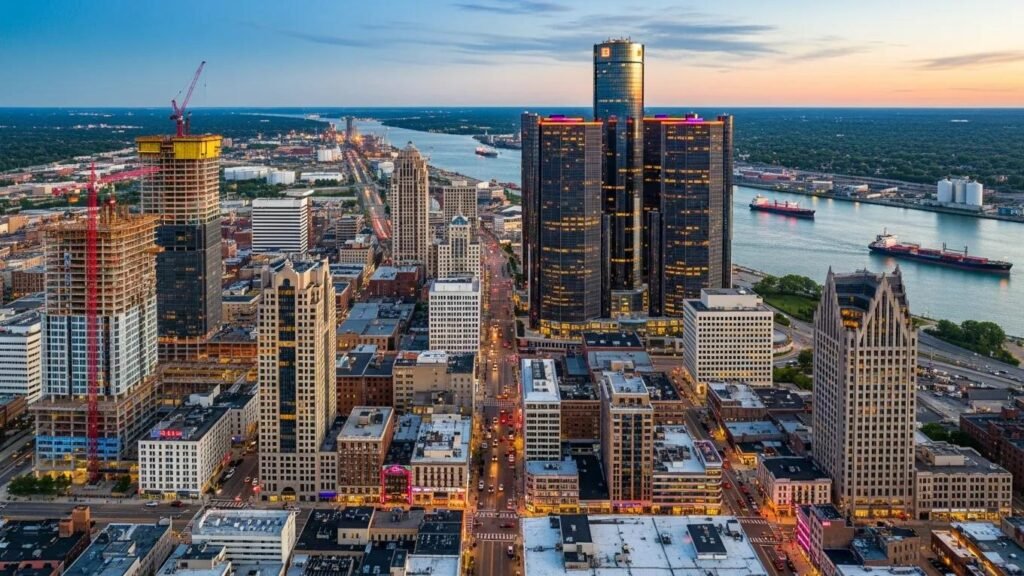
Market trends drive lease pricing by reflecting supply-and-demand dynamics across Metro Detroit. Rising occupancy tied to job growth in key sectors has pushed demand for office and retail space, creating upward pressure on rents. As businesses expand or relocate, competition for quality spaces increases and bidding environments tighten.
Monitoring these trends helps investors and managers anticipate rent adjustments and adapt leasing strategies. Year-over-year shifts in leasing activity give a clear signal of market health and guide tenants in choosing when and where to lease.
What Are the Current Market Trends Impacting Commercial Lease Rates in Metro Detroit?
Leasing rates have generally trended upward in recent years, driven by stronger tenant demand and shifting workplace preferences. Employment growth, consumer spending, and renewed interest in urban office environments — including flexible and hybrid workspace needs — are key influences shaping pricing strategies today.
What Vacancy and Demand Patterns Influence Lease Rates?
Vacancy rates are a direct indicator of market tightness. Low vacancies typically allow landlords to seek higher rents, while rising vacancies often spur concessions or incentive packages to attract tenants. Understanding vacancy trends by submarket helps set realistic expectations for pricing and concessions.
Economic Influences
Local economic conditions — including employment, population trends, and household income — are central to lease pricing. Strong economic performance generally increases business activity and demand for commercial space, which supports higher rents.
Wage growth and disposable income also matter: when consumers and businesses can spend more, companies are likelier to pay for better locations and amenities, which translates into upward pressure on lease rates.
Property Location
Location remains one of the most decisive factors in pricing. Properties with strong foot traffic, convenient access, and proximity to amenities or transit typically command premium rents. Zoning and future development plans also affect long-term desirability.
Knowing the appeal and trade-offs of specific neighborhoods helps landlords and tenants negotiate from a position of knowledge. Accessibility, nearby services, and local demand drivers should factor into any pricing discussion.
Lease Terms
Lease structure has a big impact on price. Term length, rent escalation, operating expense responsibilities, and renewal options all shape the economics for both parties.
Flexible lease terms can align with changing market conditions: longer leases often provide rent stability and predictability, while shorter terms offer tenants agility — each choice carries different pricing implications.
Which Lease Terms and Negotiation Strategies Influence Commercial Lease Pricing?
Understanding tenant obligations, legal responsibilities, and the balance of risk in a lease alters the financial equation. Using professional tenant-representation can level the playing field—advisors bring market context and negotiating experience that help secure more favorable terms.
What Negotiation Approaches Can Modify Commercial Lease Costs?
Negotiation can materially change lease outcomes. Benchmarking against comparable properties, staying current on submarket trends, and aligning deal terms with tenant needs are effective tactics. Working with experts, including the team at ValCrest Properties, can sharpen negotiating leverage and ensure leases reflect market realities and tenant goals.
Comparative Analysis of Pricing Strategies
Comparing pricing strategies helps owners and managers refine their approach. Different lease structures and incentive packages serve different goals — from maximizing short-term cash flow to securing long-term occupancy.
- Benchmarking Against Competitors: Regular market checks reveal prevailing rates and how your property stacks up.
- Market Analysis Techniques: Robust research identifies emerging trends and potential shifts that affect pricing.
- Evaluating Tenant Needs: Tailoring offers to tenant requirements — amenities, layout, or lease flexibility — can increase competitiveness and retention.
How Does Tenant Representation and Retention Affect Commercial Lease Values?
Tenant retention is vital to sustaining property value. High turnover increases vacancy costs, downtime, and marketing expenses.
Investing in tenant representation and satisfaction initiatives reduces churn, stabilizes income, and supports steadier valuation. Strong landlord-tenant relationships often justify consistent rent levels and fewer concessions.
How Does Tenant Retention Influence Property Valuation and Lease Rates?
Reliable cash flow from long-term tenants can influence pricing decisions in favor of stability. Landlords may prefer modest concessions to retain quality tenants rather than risk turnover, which can help preserve property value and predictable income streams.
What Role Does Property Management and Facility Operations Play in Lease Pricing?
Effective property management and facility operations directly affect lease rates. Timely maintenance, responsive tenant service, and efficient operations improve tenant satisfaction and reduce vacancy risk.
Consistent operational performance supports higher occupancy and can justify premium rent. Conversely, poor management often leads tenants to negotiate lower rates or relocate.
What Is the Effect of Operational Efficiency on Tenant Satisfaction and Rent?
Operational efficiency boosts tenant confidence. Well-maintained buildings and prompt service increase retention and allow landlords to maintain stronger rent positions. Poor operations erode trust and pressure prices downward.
How Do Construction and Improvement Coordination Affect Commercial Lease Costs?
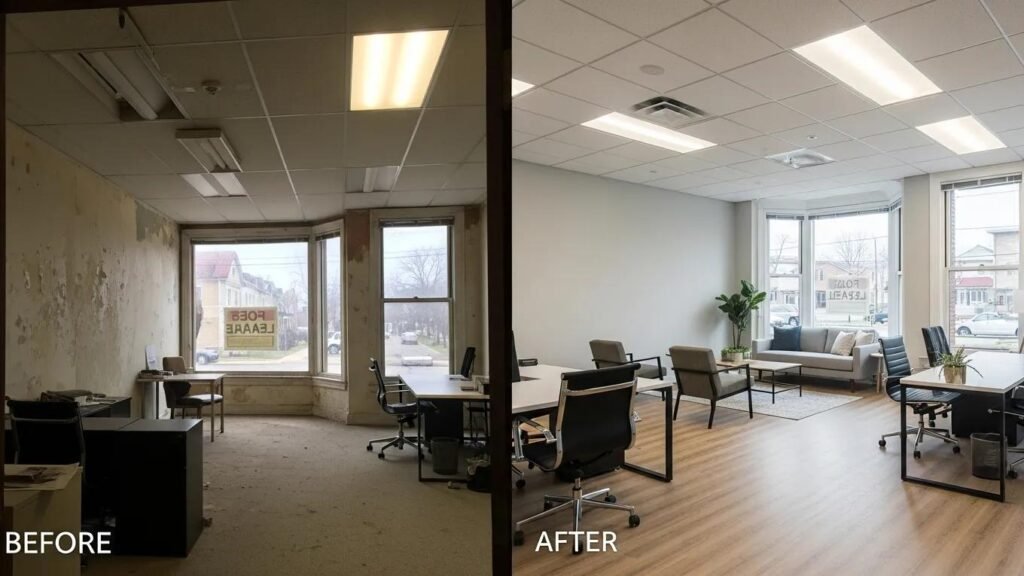
Construction and tenant improvements influence pricing by increasing a property’s appeal and functionality. Strategic upgrades attract higher-quality tenants and can support higher rents when aligned with market demand.
Well-planned improvements — focused on layout, systems, and finishes that tenants value — create measurable leasing advantages and justify higher price points.
How Does Construction Oversight by Property Managers Adjust Lease Negotiations?
Strong construction oversight keeps projects on budget and on schedule, which protects value and supports lease negotiations. Property managers who demonstrate clear ROI from improvements can negotiate higher rents or share improvement costs through thoughtful lease structures.
Which Financial and Investment Considerations Influence Commercial Lease Pricing Decisions?
Financial analysis underpins pricing strategy. Metrics like projected ROI, cost-per-square-foot, and capitalization expectations guide owners in setting competitive and profitable rates.
Sound financial planning helps landlords forecast income, stay competitive, and maximize returns while remaining responsive to market conditions.
What Financial Metrics Should Owners Consider in Setting Lease Rates?
Key metrics include:
- Cost per Square Foot Analysis: A basic measure for comparing properties and setting rent expectations.
- Comparison with Market Averages: Contextualizes pricing against local norms to find a competitive position.
- Evaluating Historical Trends: Historical data helps predict future movements and supports informed pricing decisions.
Armed with these insights, property managers, investors, and landlords can navigate Metro Detroit’s commercial leasing landscape more effectively and position their assets for long-term stability and growth.